
The Hudson Valley's Wildest 4,700 Acres: A VITAL Field Guide to Ward Pound Ridge Reservation
Photos and field notes researched by Aaron Herst.
Ward Pound Ridge Reservation is home ground for VITAL - the trail I return to three, sometimes four times a month, and the one I'm on track to walk in full, every mile of it.
I love this place. No two days on these trails look the same, and no two seasons do either - the forest turns over completely from spring wildflowers to autumn's blaze to the hush of a winter walk. Every visit teaches me something new about what's living here, growing here, or buried in the stone walls underfoot.
It's an honor to walk this land and to share what I've learned - the birds overhead, the trees that hold up this whole ecosystem, and the deeper history of who stewarded this ground long before it was a reservation. My favorite find on the trail is the Cardinal Flower, that streak of impossible red along the water's edge - spot one and you'll understand why.
We put together this VITAL Field Guide, researched by our VITAL field researcher Aaron Herst, so you can walk these trails with the same eyes I do.
Enjoy!
Libby, Founder and Chief Explorer, VITAL Ventures
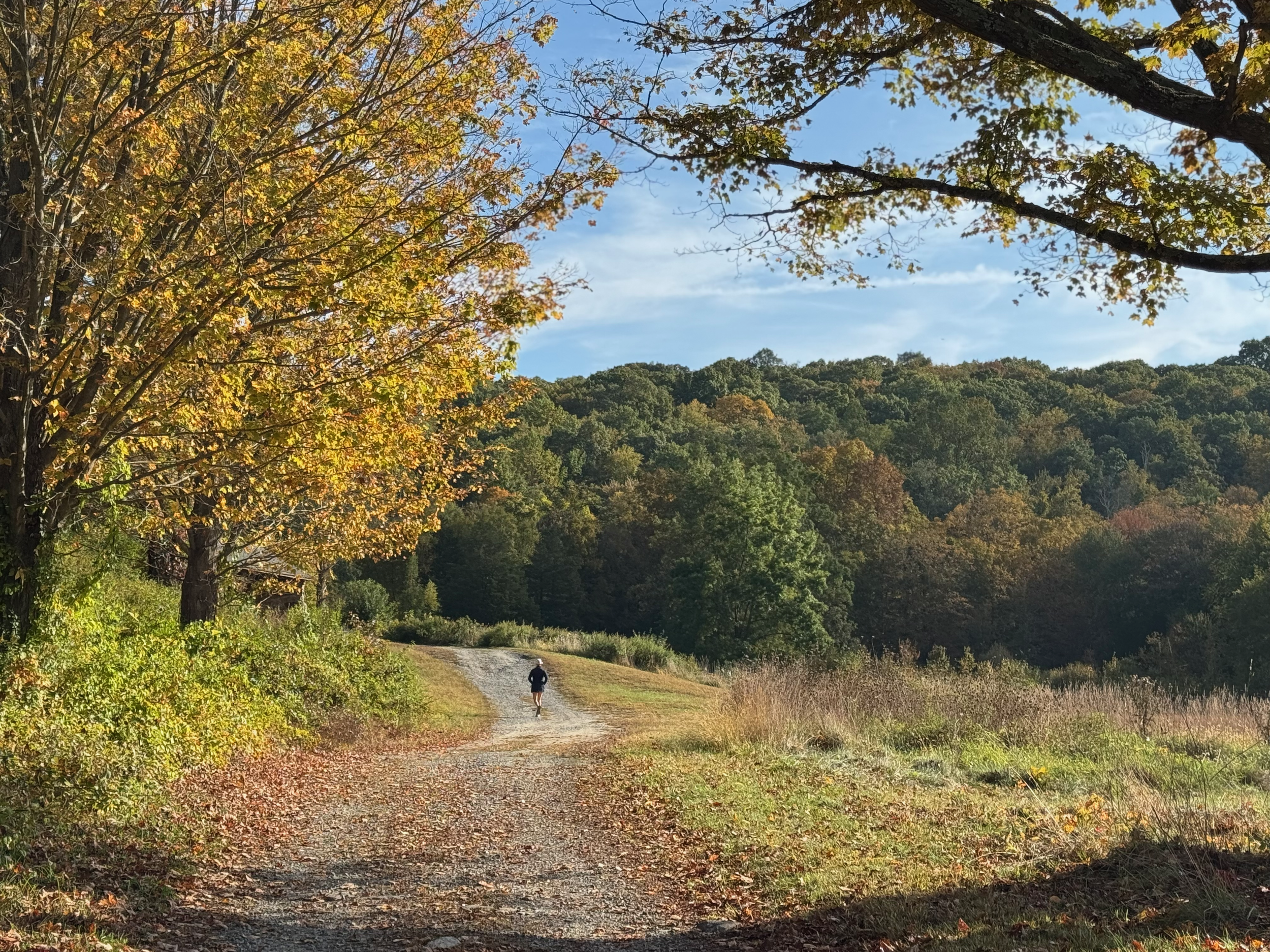
4,700 acres. Every trail, every season, never the same hike twice.
Bedford sits at the center of some of the richest wild country in the lower Hudson Valley, and Ward Pound Ridge Reservation is its crown jewel: 4,700 acres of forest, wetland, and ridgeline, with trails that connect outward into the 15-mile web of preserved land surrounding it. Before your crew laces up, here's what you're actually walking into: the animals, trees, and history that make this ground worth training for.
A Landscape Shaped by Ice, Forests, and Time
The ground under Ward Pound Ridge Reservation didn't happen by accident. During the last Ice Age, massive glaciers carved through this stretch of the Northeast, reshaping hillsides and leaving behind the rocky ridges and soils that define the reservation today. When the ice retreated roughly 15,000 years ago, plants and animals moved back in, slowly turning a barren, scraped landscape into the diverse temperate forest you'll be hiking through.
That forest now stretches well past the reservation's official boundary. Across the 15-mile circumference surrounding WPRR, you'll find the same mature deciduous woods, rocky outcrops, wetlands, and open meadows. Maple, oak, and beech stands provide cover for birds and mammals; the wetlands support beavers, herons, and amphibians. Every season changes the character of the trail completely, from spring wildflowers to brilliant autumn color to the quiet stillness of winter.
A Symphony of Autumn Color
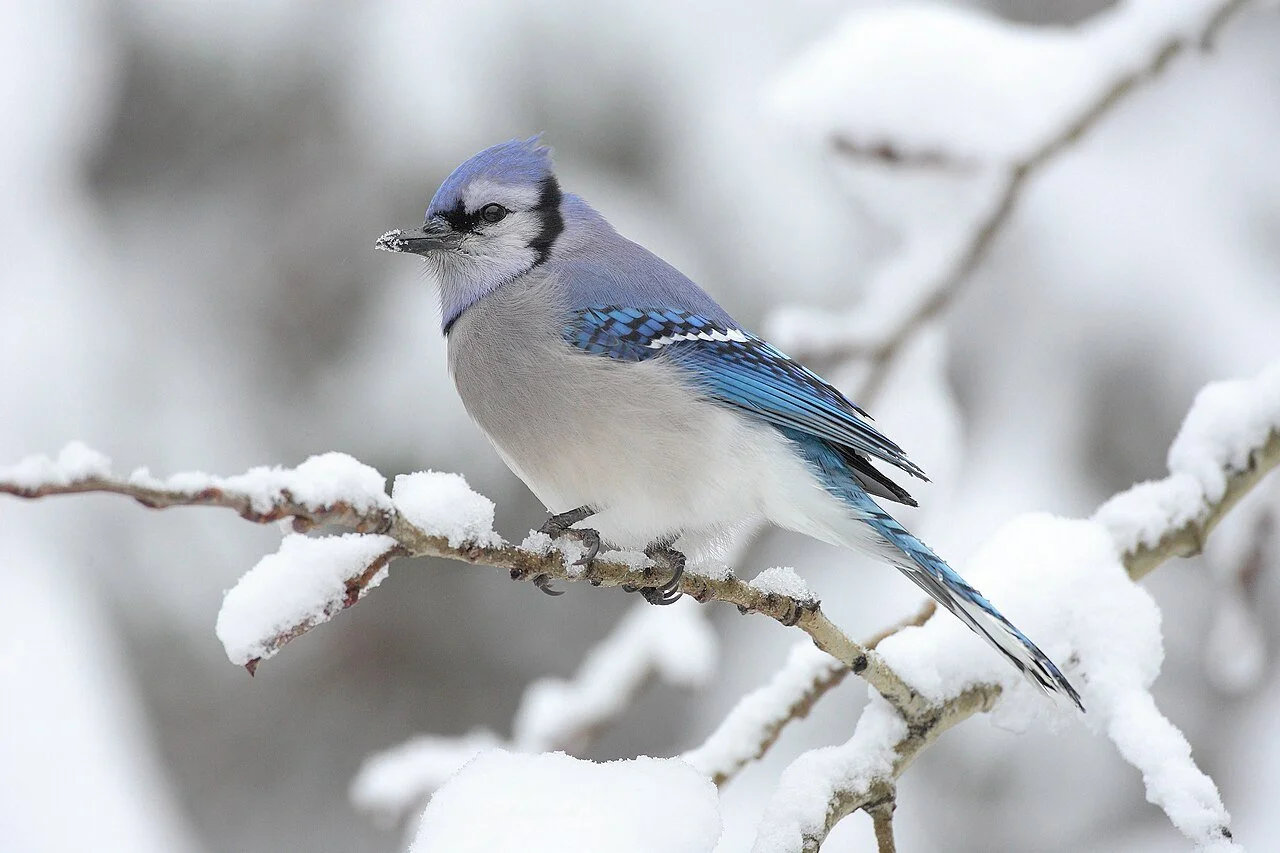
Blue Jay - Mdf - CC BY-SA 3.0
The Blue Jay (Cyanocitta cristata) is one of the reservation's loudest, most recognizable residents: intelligent and social, often heard before it's seen. In autumn, jays gather and bury acorns across the forest floor, quietly helping spread oak trees throughout WPRR. The American Robin (Turdus migratorius) works the woodland edges and open fields, feeding on earthworms, insects, and berries. As it cools, robins shift from open ground to berry shrubs, often forming loose, wandering flocks you'll spot moving through the canopy.
Keep an eye out for the Yellow-Rumped Warbler (Setophaga coronata), nicknamed the "butterbutt" for its bright yellow rump. It's one of the last warblers to migrate south, able to survive on berries as well as insects, which lets it linger in WPRR longer than most other warblers. The American Goldfinch (Spinus tristis) trades its bright summer yellow for a more subdued olive-brown in fall, but its bouncy flight pattern still gives it away. House Finches (Haemorhous mexicanus) brighten the forest edges too, with males showing shades of rosy red that vary based on diet.
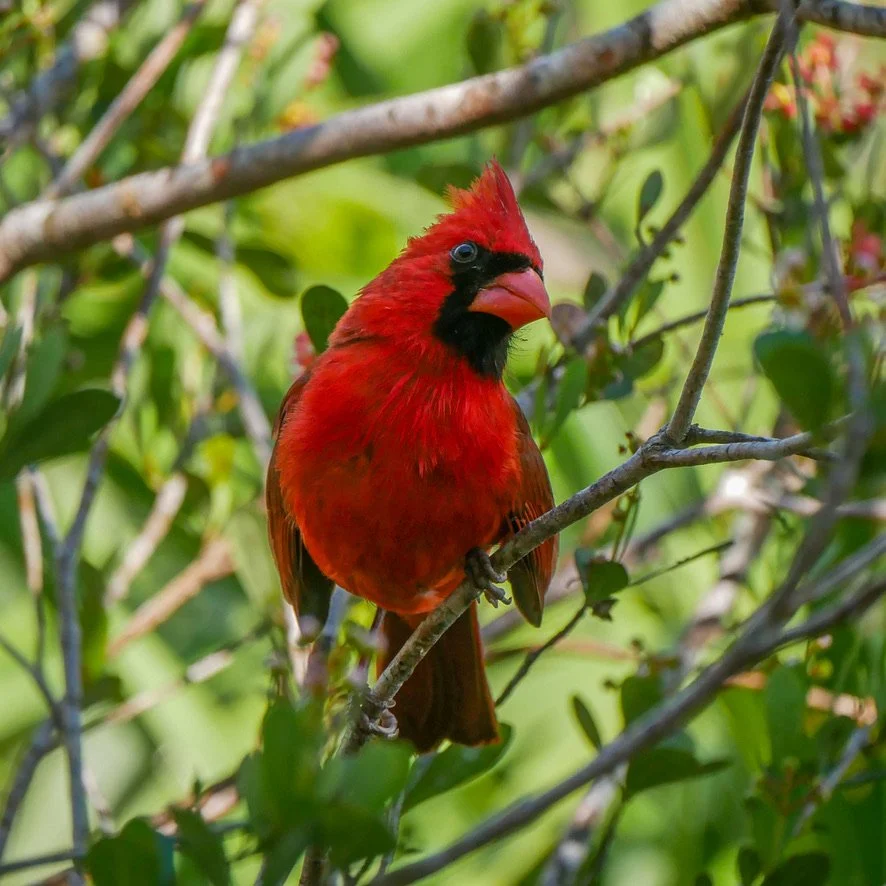
Northern Cardinal - Aaron Herst
And no autumn walk through WPRR is complete without the Northern Cardinal (Cardinalis cardinalis). The male's brilliant red against gold and orange leaves is one of the reservation's signature sights. Unlike many songbirds, cardinals stay through the winter, keeping color on the trail even in the coldest months.
Masters of the Sky
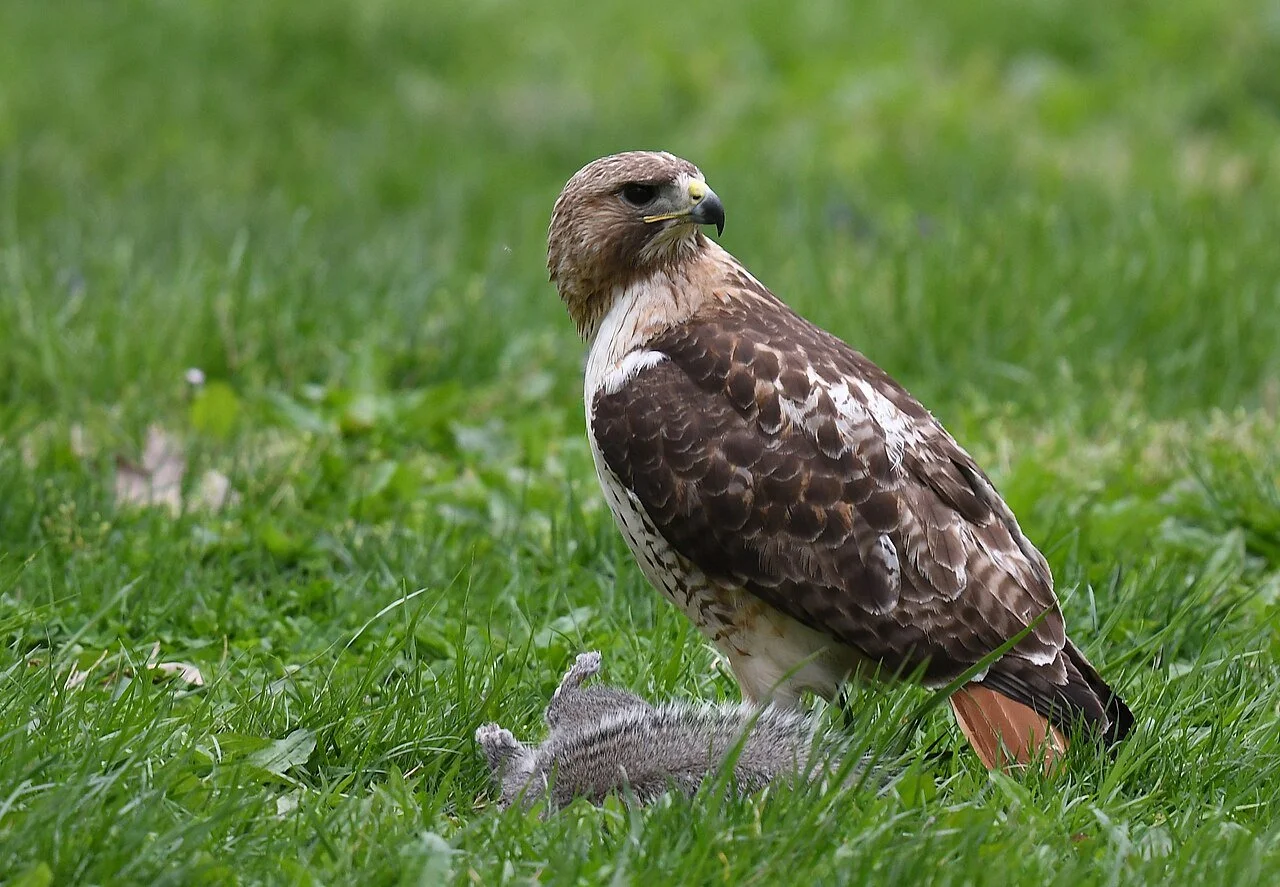
Red-Tailed Hawk - Wildreturn - CC BY 2.0
The Red-Tailed Hawk (Buteo jamaicensis) is the reservation's most familiar bird of prey, often seen circling overhead or perched on a dead tree, hunting squirrels, rabbits, and snakes with sharp eyesight. Near WPRR's streams and wetlands, listen for the Red-Shouldered Hawk (Buteo lineatus), which feeds on frogs, snakes, and small mammals. The Cooper's Hawk (Astur cooperii) hunts differently, darting through dense forest after songbirds and squirrels. Its smaller relative, the Sharp-Shinned Hawk (Accipiter striatus), uses the same technique but targets smaller birds.
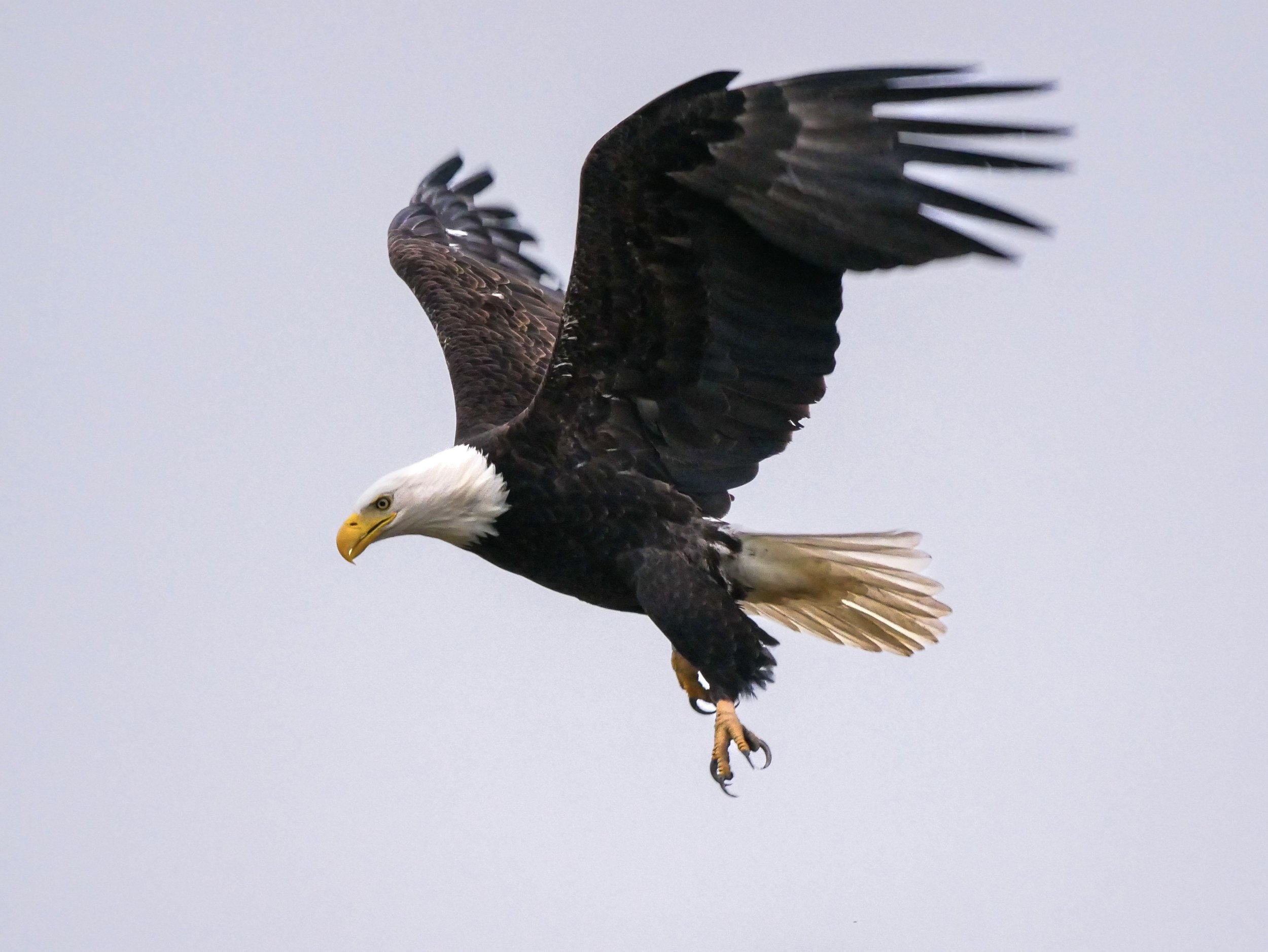
Bald Eagle - Aaron Herst
You'll likely spot a Turkey Vulture (Cathartes aura) gliding in a shallow V overhead, using an extraordinary sense of smell, rare among birds, to locate carrion from the air. Near water, watch for the Osprey (Pandion haliaetus), which feeds almost exclusively on fish and plunges feet-first with remarkable precision, gripping slippery prey with reversible outer toes and spiny footpads. The largest raptor you might see over WPRR is the Bald Eagle (Haliaeetus leucocephalus), once nearly eliminated from the Northeast, now a massive conservation success story and a regular sight along the region's waterways.
Painted Giants: The Trees of WPRR
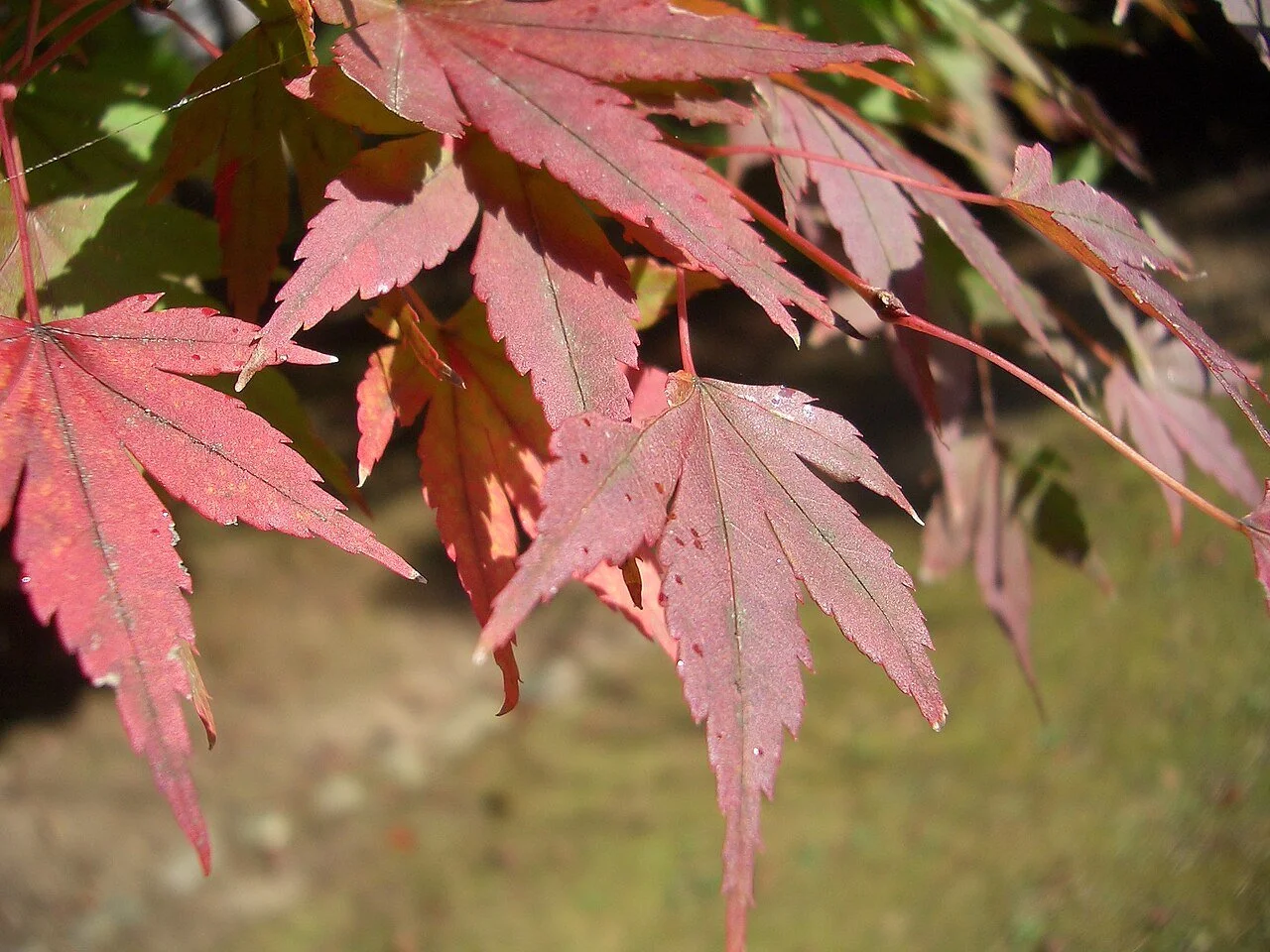
Red Maple - Aney - CC BY-SA 3.0
The Red Maple (Acer rubrum) is one of the most widespread trees across eastern North America and one of the most reliable sources of WPRR's fall color, turning brilliant red, orange, and yellow. The Sugar Maple (Acer saccharum) is the iconic Northeast tree, famous for spectacular golden-to-red foliage and the source of maple syrup produced throughout the region. Its dense canopy shelters birds, insects, and other wildlife.
The White Oak (Quercus alba) and Northern Red Oak (Quercus rubra) are foundational to the reservation's ecosystem. Their acorns feed deer, squirrels, turkeys, and Blue Jays, and they support hundreds of insect species that keep the forest food web healthy.
The American Beech (Fagus grandifolia) stands out by its smooth gray bark and golden leaves that often cling on well into late fall. Its nuts feed wildlife across the reservation, and its distinctive trunk hosts fungi, mosses, and climbing species.
Drummers of the Woodlands
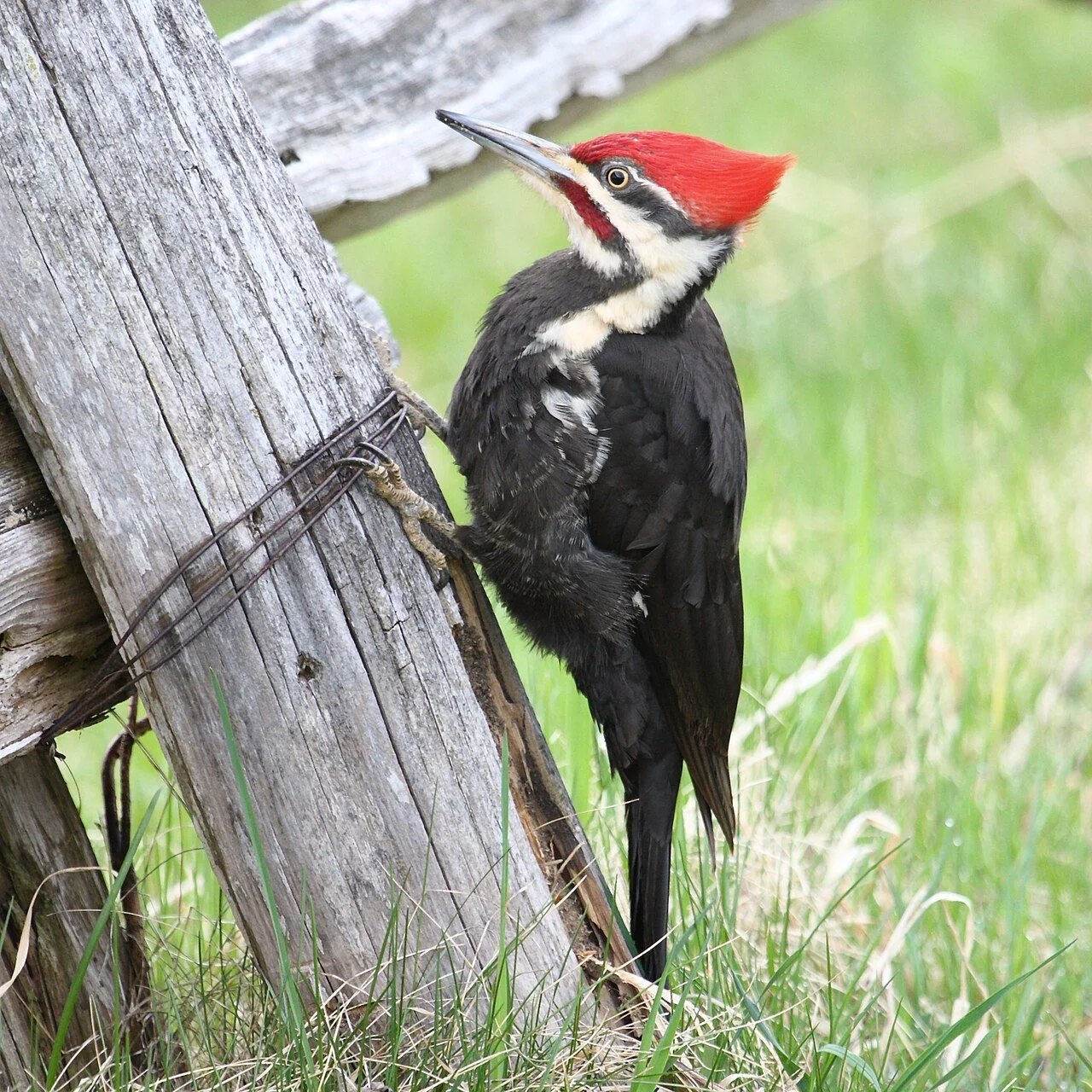
Pileated Woodpecker - Cephas - CC BY-SA 3.0
The Pileated Woodpecker (Dryocopus pileatus) is the largest and most dramatic, nearly crow-sized, excavating deep holes for carpenter ants. Those cavities later become nesting sites for other forest animals.
The Red-Bellied Woodpecker (Melanerpes carolinus) is one of the most common species you'll spot, identifiable by the male's bright red crown and nape. The Downy Woodpecker (Dryobates pubescens) is the smallest in the region, working small branches larger woodpeckers can't reach, while its look-alike, the larger Hairy Woodpecker (Dryobates villosus), tackles bigger branches and deeper-burrowing insects.
The Northern Flicker (Colaptes auratus) breaks the mold. It spends more time on the ground than most woodpeckers, probing soil for ants with its curved bill. And the Yellow-Bellied Sapsucker (Sphyrapicus varius) drills rows of small holes in bark to feed on sap, which in turn feeds other birds and insects.
Ambush From the Understory
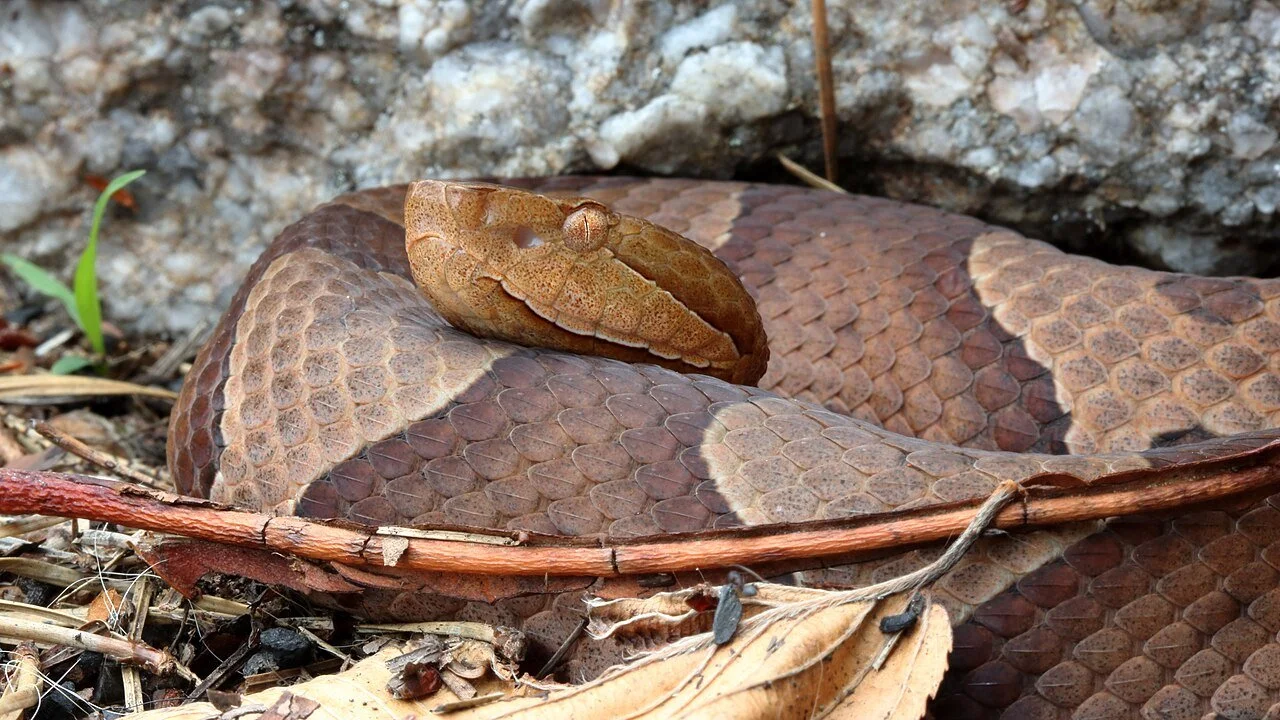
Copperhead - Riley Stanton - CC BY-SA 4.0
The Copperhead (Agkistrodon contortrix) is WPRR's most important snake to give plenty of space. Its copper-colored head and hourglass-shaped bands provide excellent camouflage among leaves and rocks, where it can remain almost invisible until you are very close. Copperheads are ambush predators, waiting motionless for small mammals, frogs, and other prey to pass within striking range. They are generally not aggressive toward people, but because they can be difficult to see, watch where you place your hands and feet when moving through rocky or brushy areas.
The Eastern Ratsnake (Pantherophis alleghaniensis) is much larger than the copperhead and can reach impressive lengths, but it poses no venomous threat to people. It is an accomplished climber, capable of moving through trees in search of birds and their eggs, while also hunting rodents, frogs, and other small animals on the ground. Its dark coloration makes it surprisingly easy to overlook against tree trunks and shaded forest floors.
So if something moves through the leaves beside the trail, don't immediately assume it's something to be afraid of. Stop, look, and give it room. The goal isn't just to see wildlife, it's to learn how to recognize the signs that an entire ecosystem is alive around you.
Engineers of the Reservation
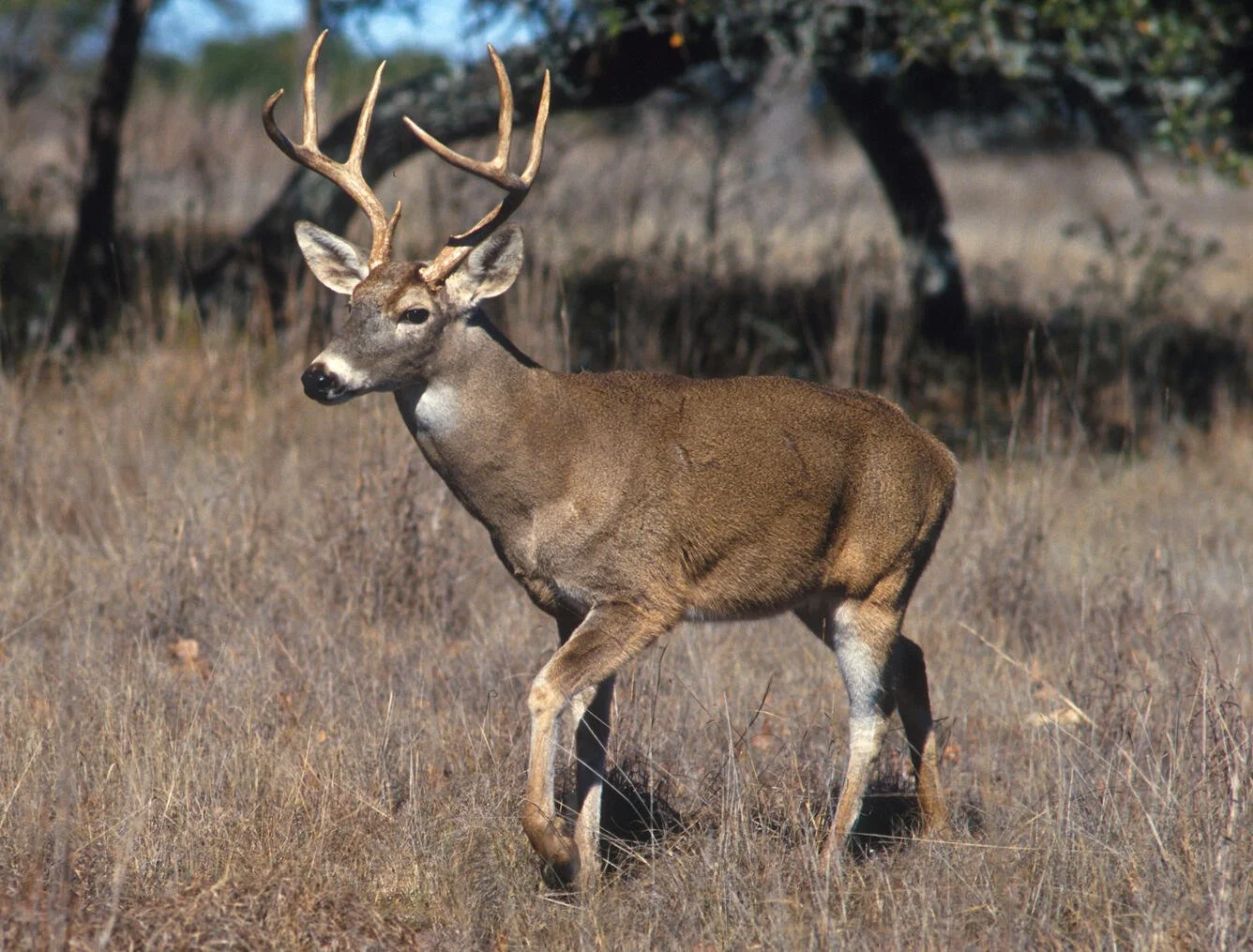
White-Tailed Deer - USDA photo by Scott Bauer
The White-Tailed Deer (Odocoileus virginianus) is a constant presence on the trail, browsing leaves, buds, and shrubs in ways that directly influence what grows in the forest understory. In autumn, males enter the rut, competing for mates through displays of strength and vocalizations. High deer populations can significantly slow forest regeneration by consuming young trees, something WPRR's land managers actively track.
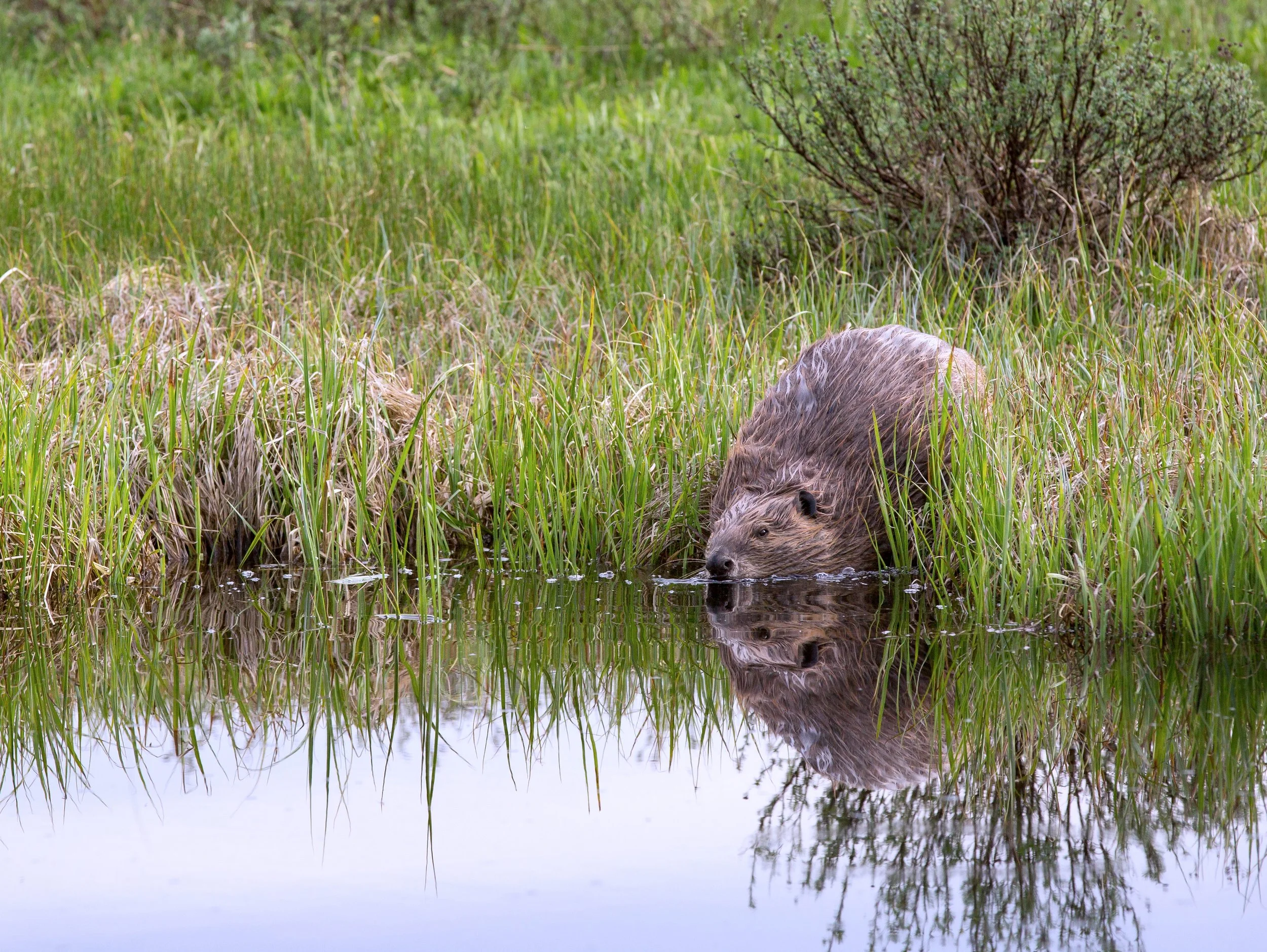
Beaver - Credit: NPS/Neal Herbert
The North American Beaver (Castor canadensis) is one of nature's great engineers. By damming streams with branches and mud, beavers turn moving water into ponds and wetlands, creating habitat for fish, amphibians, birds, and insects, and reshaping entire sections of the reservation's terrain. Because of that outsized influence, beavers are considered a keystone species.
The Hidden Hunter of the Wetlands
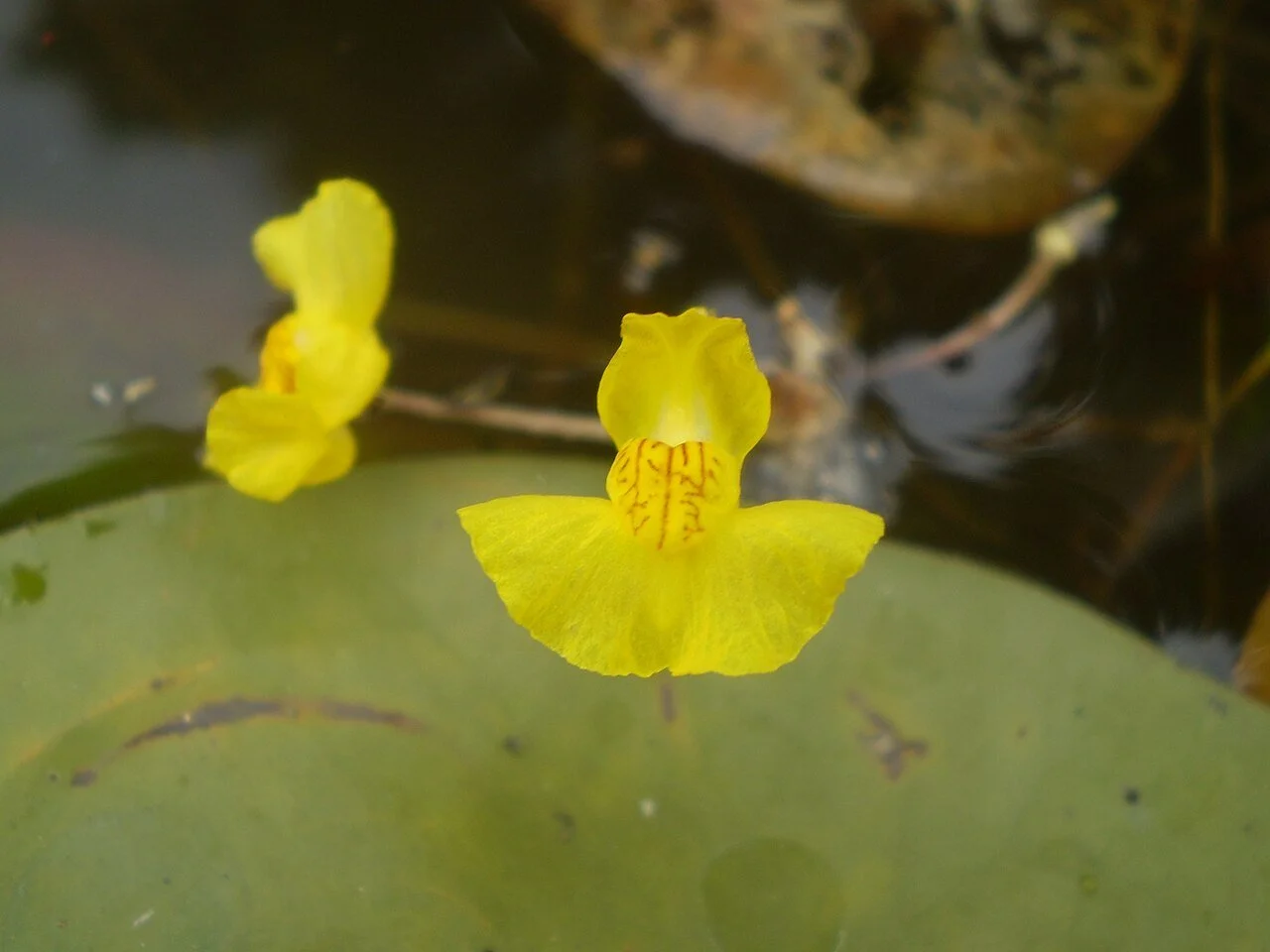
Delicate Bladderwort - Show_ryu - CC BY 3.0
Not every predator has teeth. In the reservation's ponds and slow-moving water, keep an eye out for the Delicate Bladderwort (Utricularia tenuicaulis), a small aquatic plant that supplements its diet by trapping tiny aquatic animals like insect larvae. It uses specialized underwater bladders that snap shut in a fraction of a second when triggered by prey.
Despite the carnivorous lifestyle, it's an easy plant to miss. Fine stems and tiny yellow flowers floating among the wetland vegetation. Its presence is also a good sign: bladderworts depend on clean, undisturbed water, so where you find them, you're looking at a healthy wetland.
Silent Guardians of the Shoreline
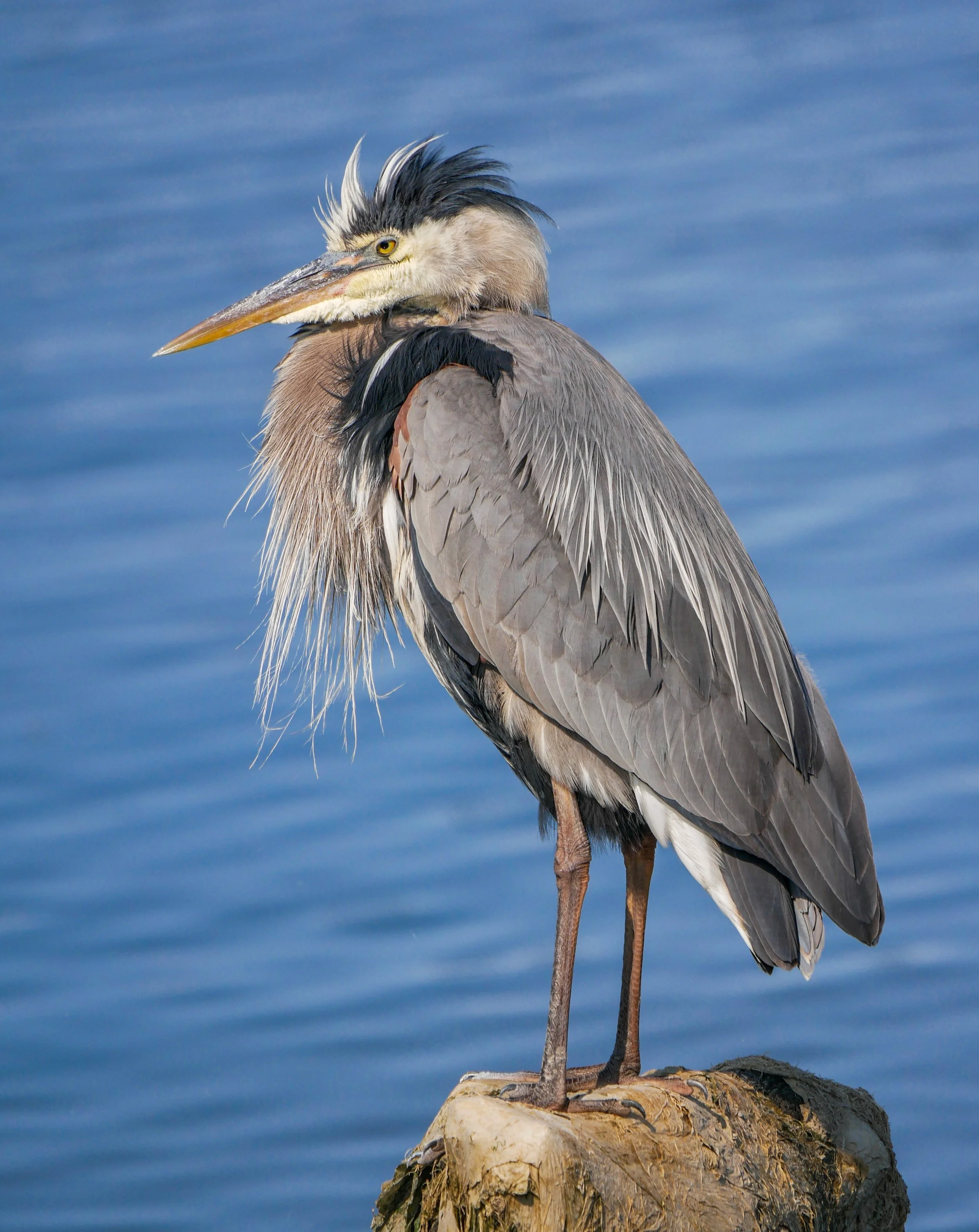
Great Blue Heron - Aaron Herst
The Great Blue Heron (Ardea herodias) is the largest heron in North America, standing nearly four feet tall with a wingspan over six feet. It wades on long legs and strikes fish, frogs, and small mammals with a spear-like bill, often standing motionless for long stretches before a sudden strike. The Great Egret (Ardea alba) is slightly smaller, recognizable by its bright white plumage, long black legs, and dagger-like yellow bill. It hunts the same patient way, stalking fish, amphibians, and aquatic invertebrates through shallow water.
Legends of the Woods
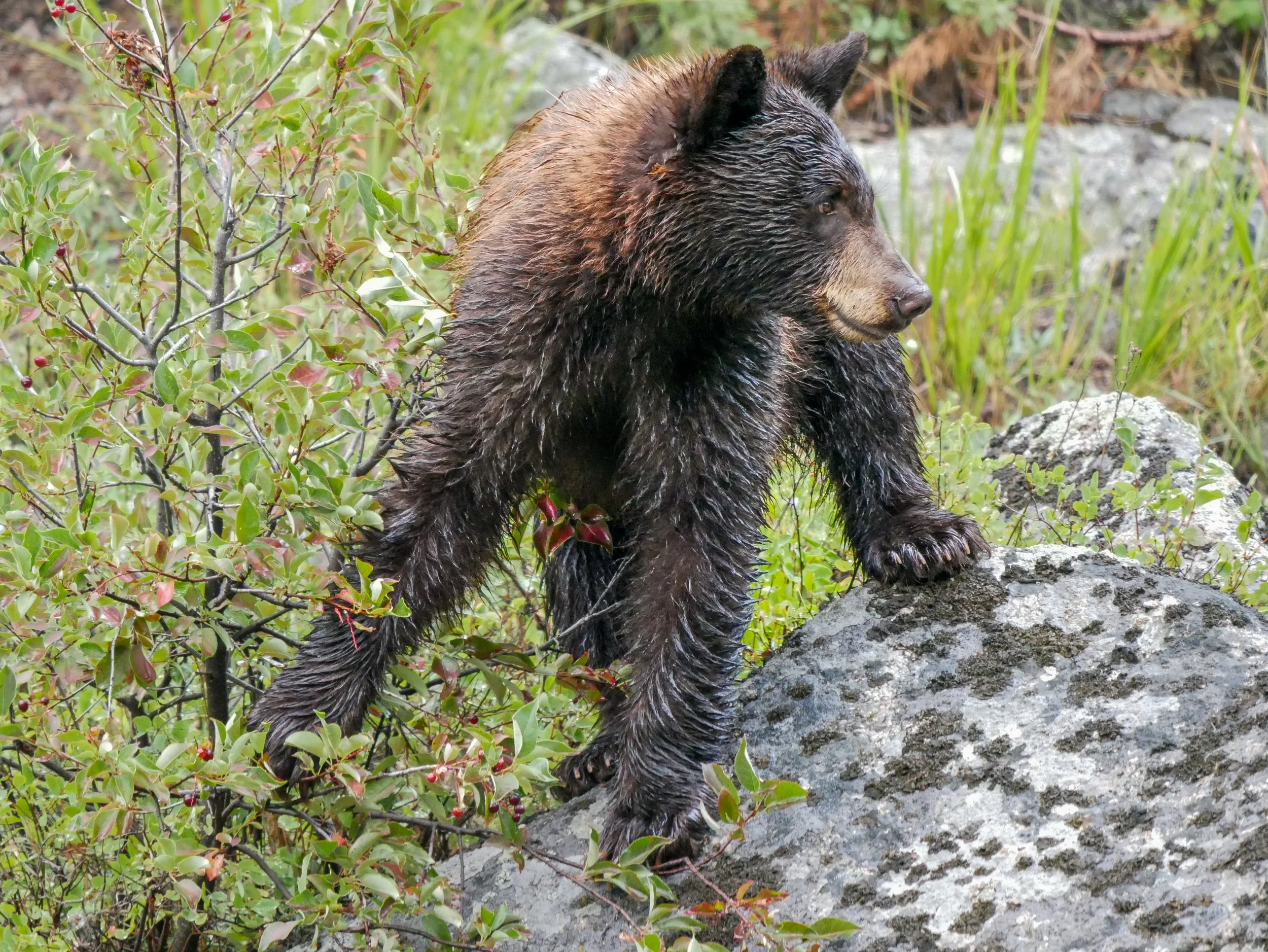
American Black Bear - Aaron Herst
WPRR's larger predators are rarely the animals you'll see first. They move quietly through the forest, often covering ground at night or in the early morning, leaving behind tracks, scat, and other clues that reveal where they've been.
The American Black Bear (Ursus americanus) is the reservation's largest land predator, although its diet is far from exclusively carnivorous. Bears are remarkably opportunistic, eating everything from berries, nuts, and insects to carrion and occasionally small mammals. In autumn, they'll spend enormous amounts of time feeding, building fat reserves for the winter ahead. A bear sighting is uncommon, but signs of one - overturned logs, claw marks, tracks, or scat full of seeds - can tell you that one has recently passed through.
The Coyote (Canis latrans) is a much more likely nighttime neighbor. Adaptable and intelligent, coyotes can live almost anywhere, from deep forest to the edges of human development. They hunt mice, rabbits, and other small mammals, but they'll also take birds, reptiles, insects, fruit, and carrion. Listen after dark, and you may hear their characteristic yips and howls carrying surprisingly far through the woods.
Near WPRR's streams and ponds, the North American River Otter (Lontra canadensis) is another predator to keep an eye out for. Sleek, powerful swimmers, otters hunt fish, frogs, crayfish, and other aquatic prey, sometimes chasing them underwater. They can travel considerable distances along waterways, so even if you don't see one, tracks or slides along muddy banks can reveal their presence.
These predators play a role that extends far beyond simply eating other animals. By hunting prey and scavenging carrion, they help regulate populations and move nutrients through the ecosystem. They are also a reminder that WPRR isn't simply a forest filled with prey species, it still supports animals living at the top of the food web.
The First Stewards of Ward Pound Ridge
Long before WPRR's trails existed, this land was home to Indigenous peoples for thousands of years. The area was historically part of the homeland of the Lenape and neighboring communities, who developed a deep understanding of the local environment, using seasonal cycles to guide hunting, fishing, gathering, and agriculture. They harvested nuts, berries, wild plants, and game, and actively managed the landscape through practices like controlled burning, which maintained open habitat and encouraged useful plant growth.
A Changing Landscape
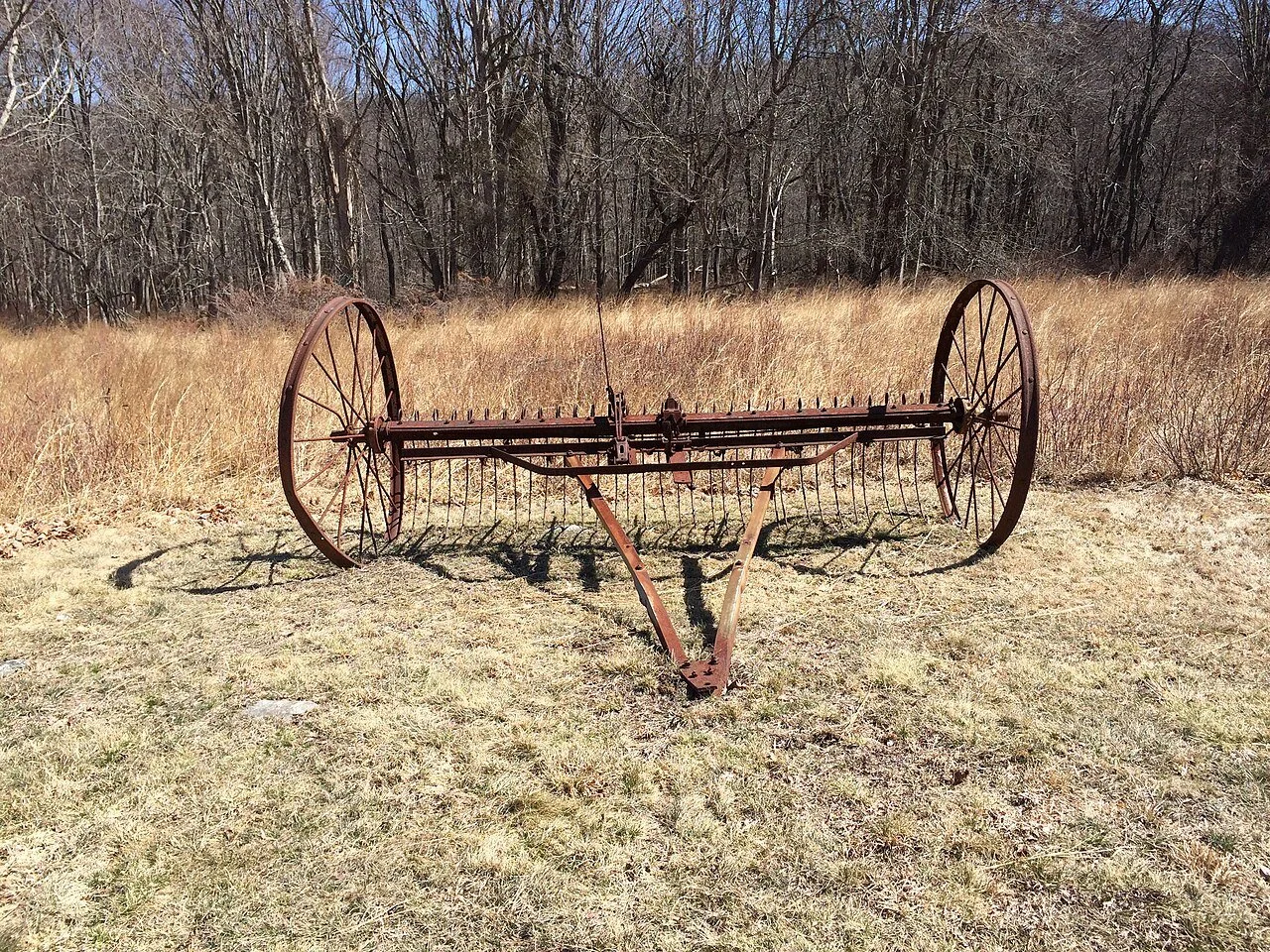
Antique Farm Equipment, Ward Pound Ridge Reservation - Morrowlong - CC BY-SA 3.0
European settlement, beginning in the 1600s, brought dramatic change. Forests were cleared for agriculture, and mature woodland gave way to farms, pastures, and meadows. The stone walls you'll cross on WPRR's trails are direct remnants of that era, built from rocks pulled out of fields to make the land workable.
For generations, those farms supported rural communities. But as agriculture and industry shifted, many small farms were abandoned. Fields stopped being mowed or grazed, and forest slowly reclaimed the land, creating the mixed woodlands that define WPRR today.
In the twentieth century, conservation efforts protected this recovering landscape for good. Ward Pound Ridge Reservation was established as a public preserve, allowing its forests, streams, and wildlife habitat to thrive while protecting cultural features like stone walls and historic foundations.
What you'll walk through on trail day carries all of it. A landscape shaped first by glaciers, then by Indigenous stewardship, European agriculture, and a century of deliberate conservation. Not untouched wilderness, but a living record of everything that came before it.