
Strong Enough to Summit, Smart Enough to Prepare
The goal of training isn't just reaching the finish line, the summit, or the trailhead. It's getting there safely and responsibly - and getting home the same way.
Whether you're preparing for an endurance hike, a ruck, a trail run, or a mountain adventure, a little preparation goes a long way.
Here's what we live by at VITAL, and why each one matters more than it sounds.
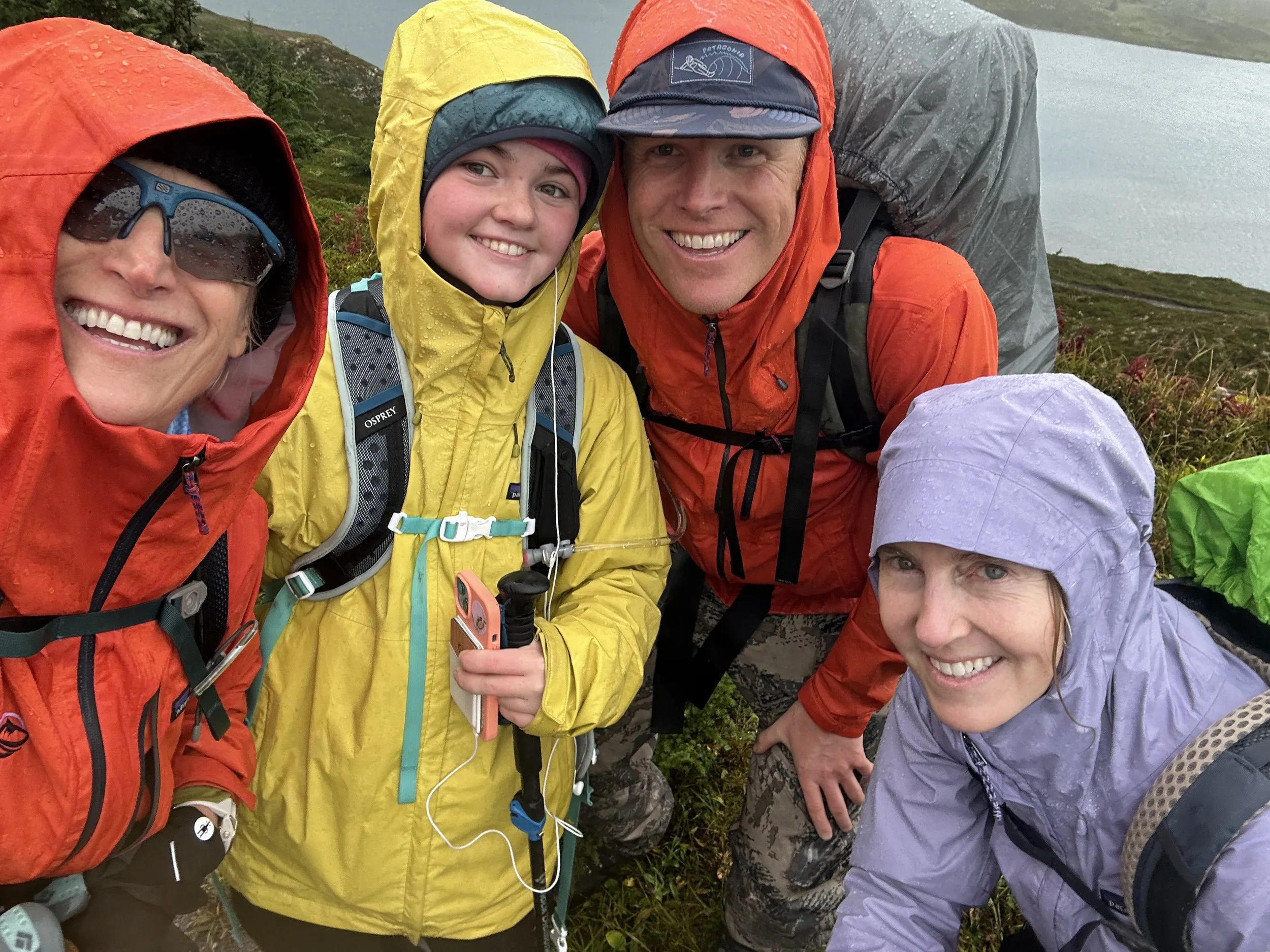
Hiking Lost Lake, Kenai Alaska - August 2025
Bring a Friend and Tell Someone Your Plan
Before every hike share your plan with someone who's not on the hike - a friend, your person, someone who'll actually notice if you go quiet. It's the simplest safety net you have, and it costs you nothing but a text message.
New York State's DEC runs a program called Hike Smart NY, and their recommended trip plan is worth adopting no matter where you're hiking:
Your route and destination - which trail, planned mileage, elevation gain
Departure and expected return time
Who's in your group
A backup plan - an alternate route or turnaround point if conditions change
Emergency numbers saved in your phone before you leave - for New York trails, that includes DEC Dispatch (1-833-NYS-RANGERS) alongside 911
That backup plan piece is easy to skip when you're excited about a route, but it's the difference between adapting smoothly and improvising under pressure if the day doesn't go as planned.
Source: NYS DEC, Hike Smart NY
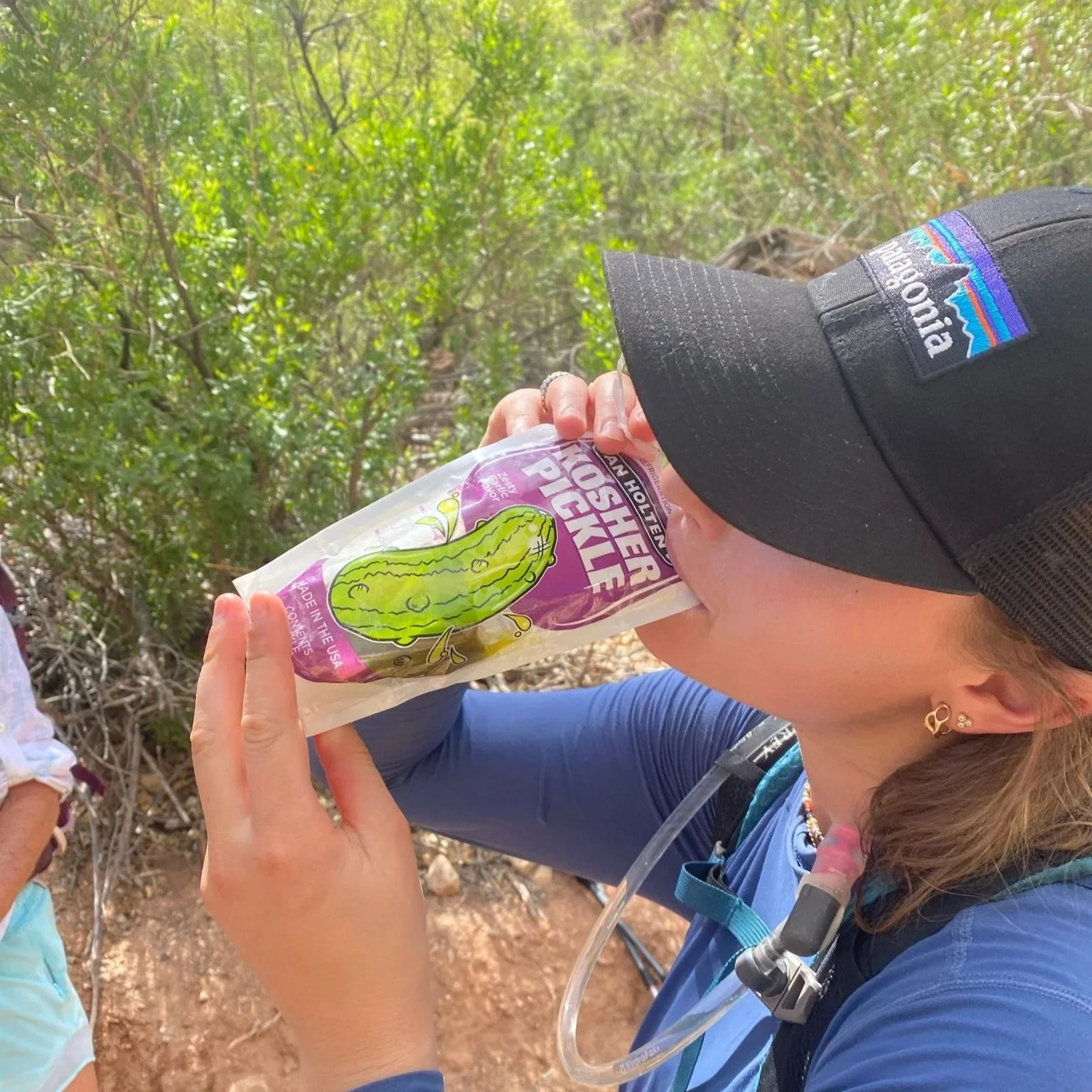
Refueling. Rim to Rim to Rim. Grand Canyon - June 2021
Fuel Before You're Hungry
Don't wait until you're depleted. Bring water, electrolytes, and snacks with carbs and protein. Your body performs best when you stay ahead of hydration and nutrition - not when you're playing catch-up on the trail.
Dress for the Conditions
Trail weather changes fast. Always pack extra layers, a rain shell, and sun protection. Prepare for the weather you hope for and the weather you don't. The pack you bring is the plan you're actually executing, not the one you hoped for at the trailhead.
Know Your Limits
Training builds capability. Experience builds confidence. Neither one means you push through everything.
Turn around if the weather shifts, you're injured, your energy is fading, or something just feels off. The strongest hikers aren't the ones who ignore warning signs - they're the ones who prepare, adapt, and make smart decisions when conditions change. The mountain or trail will still be there tomorrow.
Stay Aware
Pay attention to trail conditions, wildlife, changing weather, and how your body feels. Your best safety tool isn't your gear — it's your awareness.
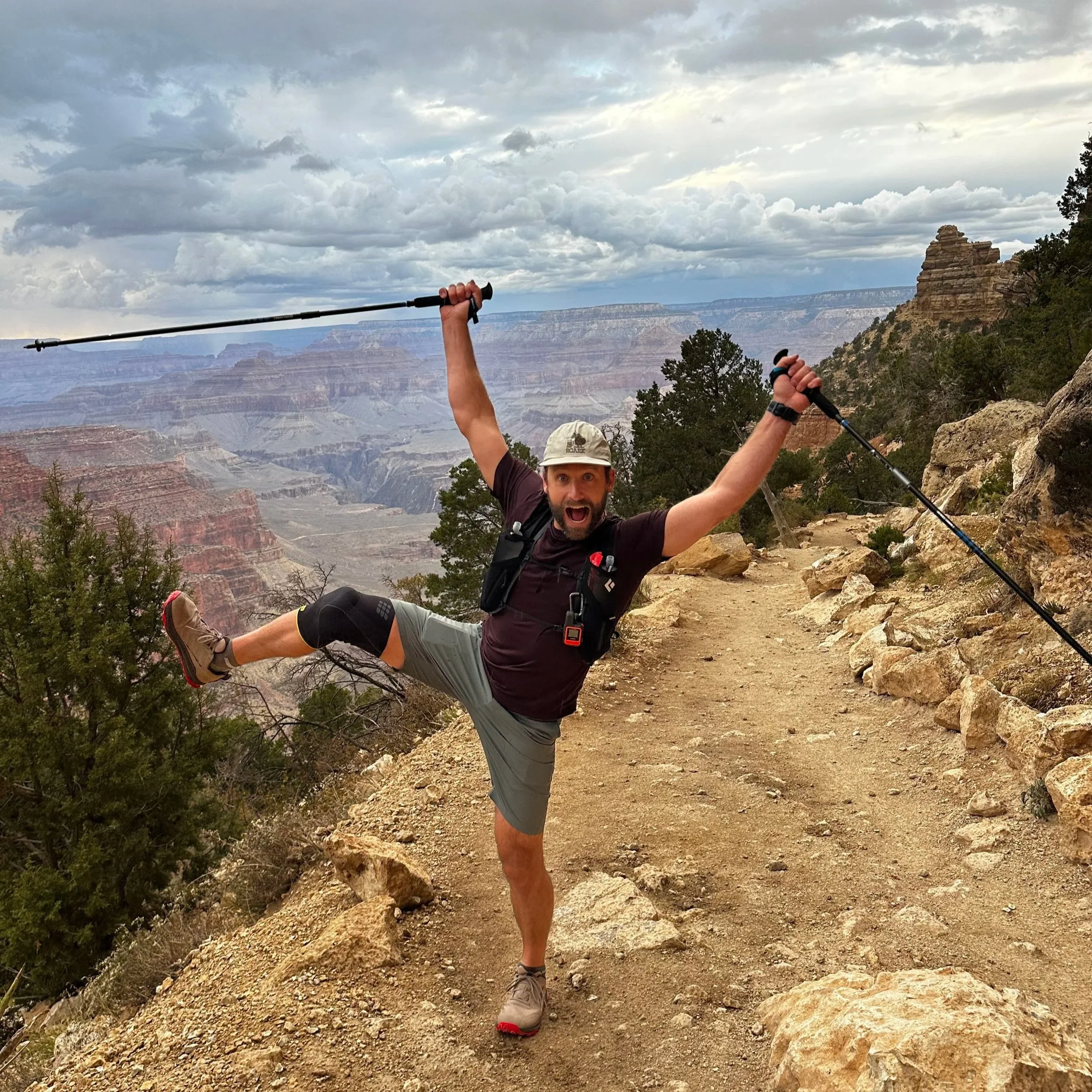
Greg using his sticks! Rim to River, Grand Canyon - September 2025.
Protect the Descent
This is the one people train for the least, and it's often the hardest on your body. Research published in the peer-reviewed journal Knee Surgery, Sports Traumatology, Arthroscopy found that the compressive force on your knee joint during downhill walking can reach seven to eight times your body weight — and that's before fatigue sets in.
A few ways to protect yourself on the way down:
Refuel. Your muscles need fuel to brake, not just to climb.
Slow your pace on steep or loose terrain.
Use trekking poles to reduce knee load.
Retighten your laces and land lightly — it protects your ankles and joints.
Most people train hard for the climb up and give almost no thought to the climb down. If you want to protect your knees for the long haul, the descent deserves the same respect as the summit push.
If You Get Caught in a Storm
Mountain weather can turn faster than you can descend. NOLS's core guidance: avoid peaks, ridges, and open high ground, and get to lower terrain or shelter as your first move - not a technique, a location. Check the forecast for your actual trail or peak (not the nearest town) before you go, and be willing to change plans if storms are in it.
Source: NOLS, Backcountry Lightning Risk Management
This is general awareness, not a substitute for a real-time forecast, land manager guidance, or your own judgment on the day.
The Real Takeaway
None of this is about being cautious for caution's sake. It's about showing up prepared enough that you get to keep doing this — season after season, peak after peak. Preparation is what lets you say yes to the next adventure instead of sitting one out with an injury that didn't have to happen.
What's your #1 hiking safety non-negotiable? We'd love to hear it - drop it in the comments, or better yet, bring it with you on your next VITAL adventure.
Live vital - Libby
If you're ready to build the strength, endurance, and trail smarts to summit with confidence, join our community and see what expert-led training can do for your next adventure.