
What I've learned about the power of preparation, the courage and confidence that comes from doing hard things, and what happens after the adventure ends.
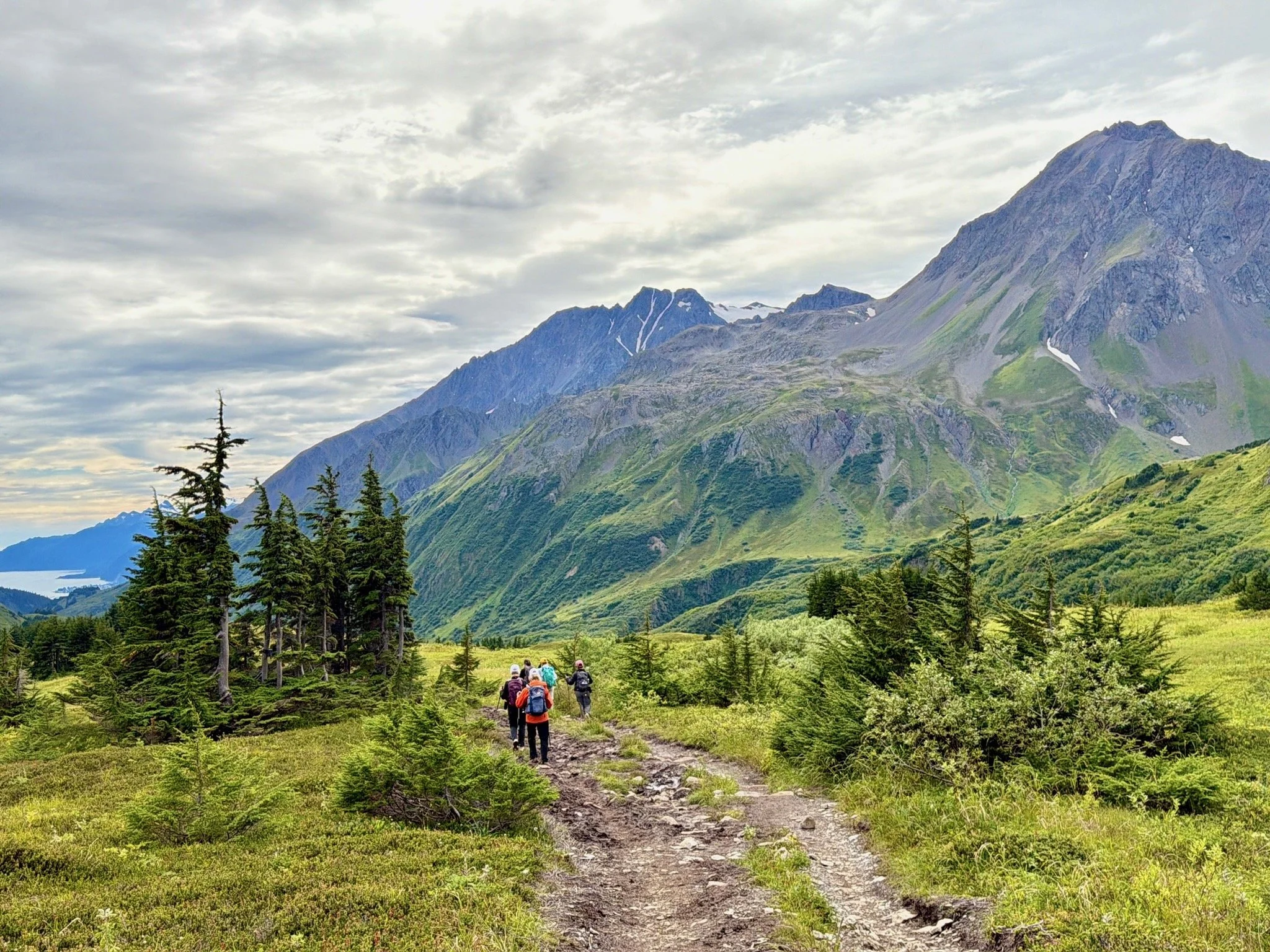
Our VITAL Kenai crew taking on, and taking in, the Lost Lake Trail: a 16-mile point-to-point trek through awe-inspiring Alaskan wilderness.
Most people commit to a VITAL Adventure six to twelve months before we leave. And I've noticed something interesting over the years: the experience starts influencing their lives long before they board a plane.
The moment someone says yes, small but important things begin to shift.
They look at their calendars differently. They become more intentional about what they're eating. They make time for workouts, even when work and life get busy. They begin prioritizing their health in ways they may have been putting off for years.
A meaningful goal on the calendar has a way of bringing your bigger priorities into focus.
And that's one of the things I love most about VITAL.
It Starts With a Little Uncertainty
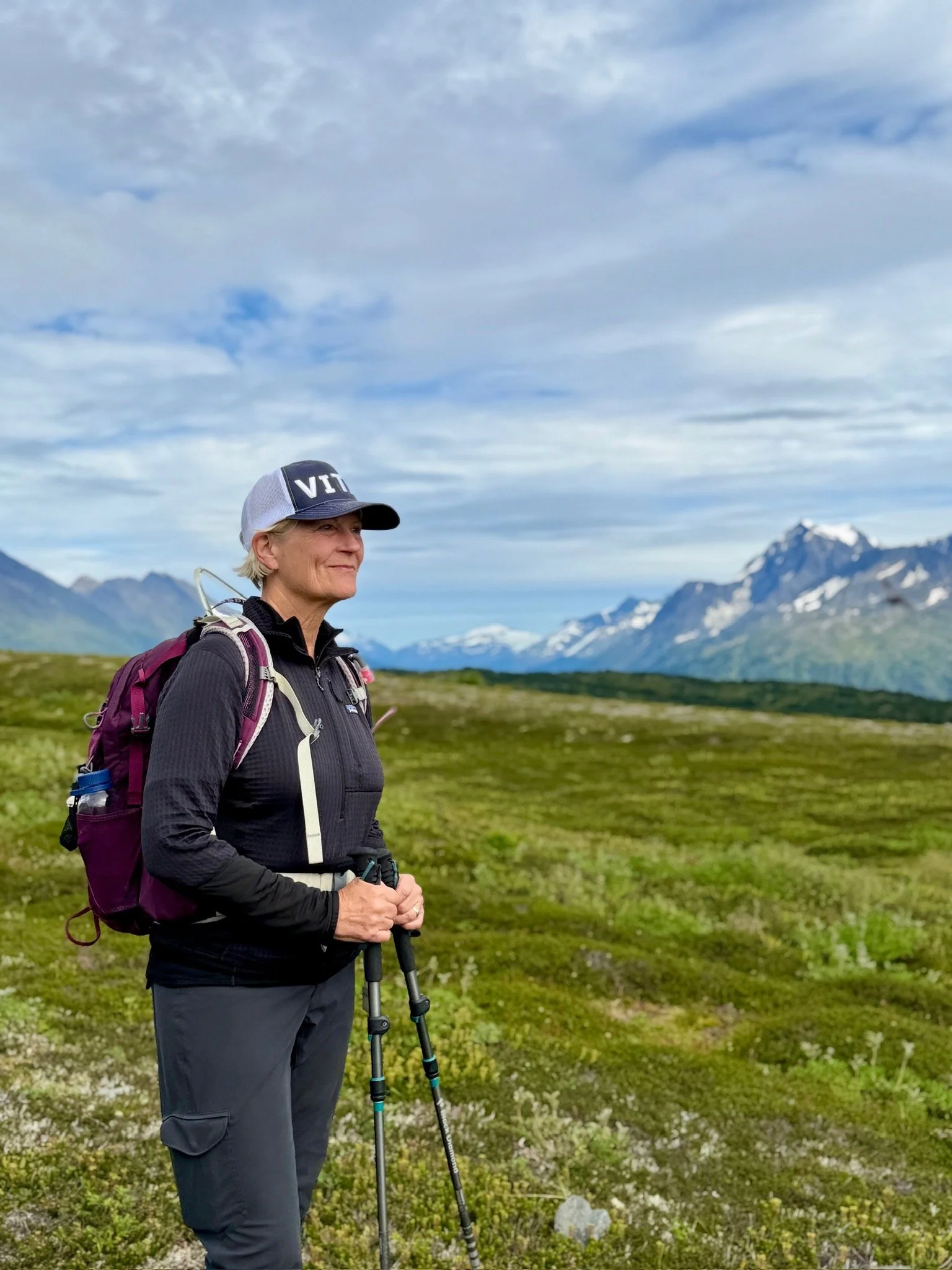
Mary Ann taking a quiet moment at Lost Lake. She did the work, and each day she was ready.
For many participants, signing up for an adventure comes with questions.
Can I keep up? Am I strong enough? What if I'm the slowest person in the group?
These are reasonable concerns when you're committing to hiking through the Alaskan wilderness or across the volcanic landscapes of the Azores.
My sister, Dr. Mary Ann Schaepper, psychiatrist and owner of Schaepper Psychiatry in Redlands, California, admitted that she initially worried about keeping up with the group.
After following the training and nutrition coaching, she shared:
“I was able to confidently enjoy every hike, and I’m so proud of how strong I became.”
What stands out to me is that she didn't simply complete the hikes. She was able to enjoy them.
There's a meaningful difference between getting through a physically challenging experience and arriving prepared enough to fully appreciate it.
That's why we spend three months training together before our adventures. We build strength, endurance and consistency so participants can experience the destination with confidence, rather than spending the entire trip worrying about whether they can keep up.
And somewhere along the way, people begin to recognize what they're capable of.
What Happens When You Realize You Can?
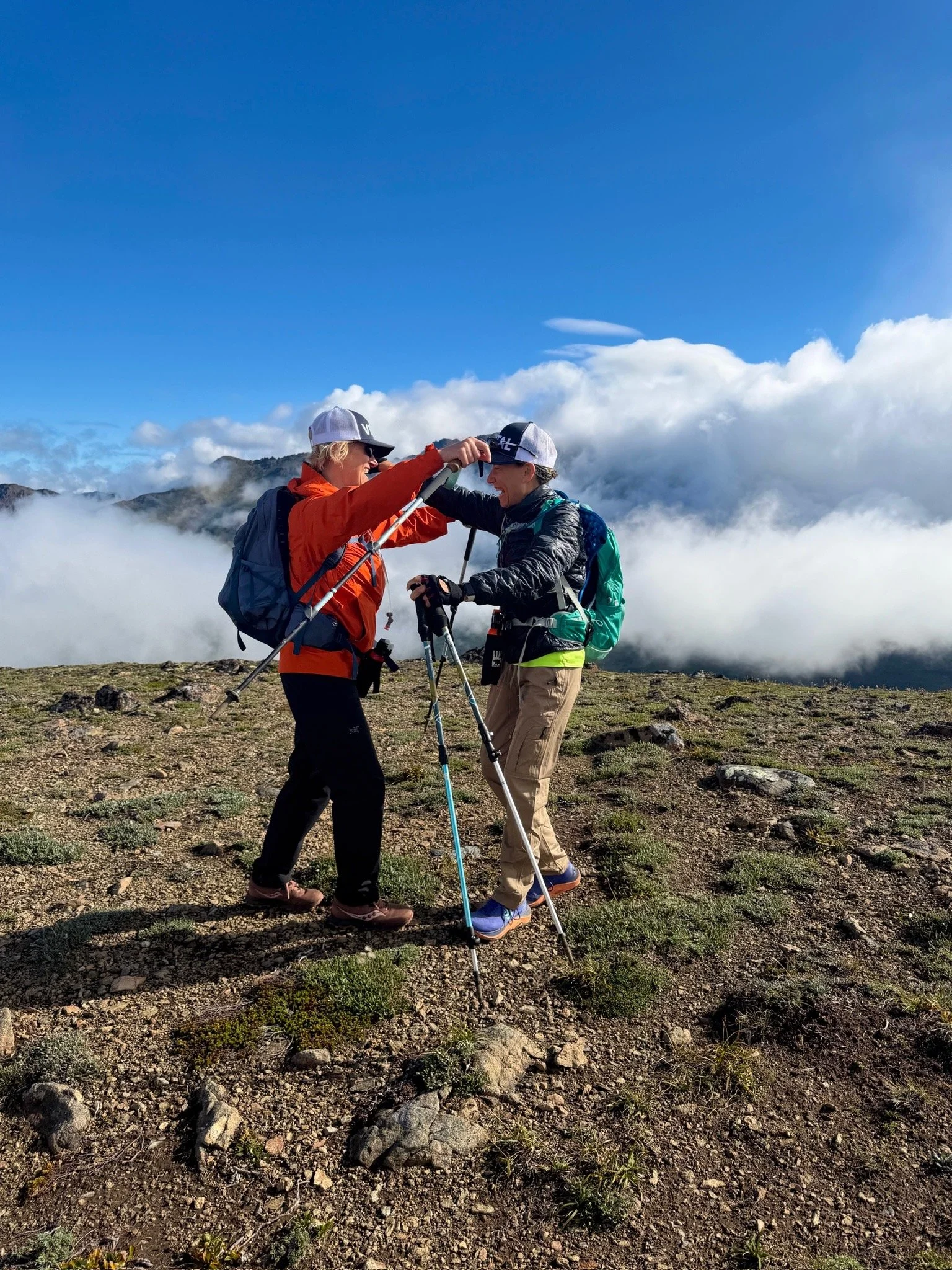
Andrea and me on top of McHugh Peak, laughing above the clouds. This is what making time for what matters looks like.
Andrea Sullivan, CEO and Co-Founder of vYve, trained for three months before joining our Kenai Adventure in Alaska.
Then she hiked the 16-mile Lost Lake Trail.
And she enjoyed it.
Afterward, Andrea shared that she realized she was capable of so much more than she'd thought. She's already planning her next stretch.
I've seen this happen again and again.
Something that once felt intimidating becomes something you've actually done. You have the experience, the strength and the confidence to show for it.
And suddenly, the next challenge doesn't seem quite so far out of reach.
Sometimes that means another adventure. But often, it shows up in a much more everyday way.
Caroline Mauro, VITAL's marketing consultant and founder of Rewolf, came home from our Alaska adventure and immediately signed up for a strength-training gym, committing to four workouts a week.
After months of preparing for Alaska and experiencing what her body could do on the trail, she wanted to keep building on that progress.
I love this example because her next goal wasn't another expedition. It was making strength training a consistent part of her life.
The adventure gave her a reason to prepare. What she discovered about herself gave her a reason to continue.
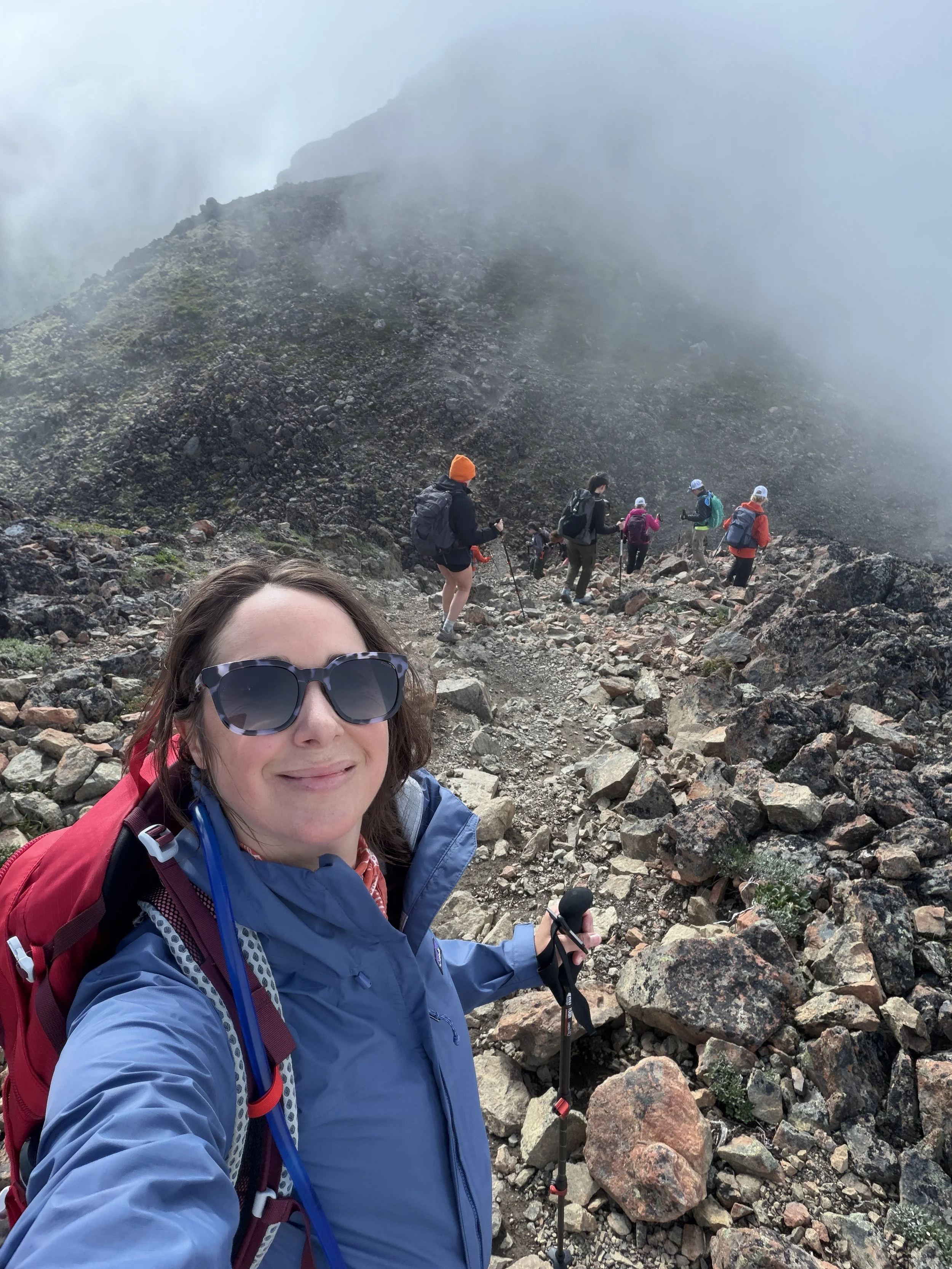
Caroline on the McHugh trail, taking in how far her training carried her. The strength she built here came home with her.
The Confidence Carries Over
I think there's something powerful about making a commitment to yourself and following through.
Not every goal has to be bigger or more difficult than the last. Sometimes it's another mountain or a new destination. Other times, it's maintaining a fitness routine, trying something you've always wanted to do or making more time for the things that bring you joy.
But once you've experienced what consistent effort can make possible, you have a different understanding of your own capabilities.
And that can influence decisions well beyond fitness or travel.
The women I've mentioned here are running practices and companies. They have demanding careers, responsibilities and plenty of competing priorities.
They didn't suddenly find extra hours in their days.
They decided that their health, their curiosity and their own goals deserved a place on the calendar, too.
That's something I think many of us can relate to.
It's easy to put our own aspirations on hold while we focus on work, family and the needs of others. We tell ourselves we'll get to them when things slow down.
But sometimes the commitment itself is what helps us make room.
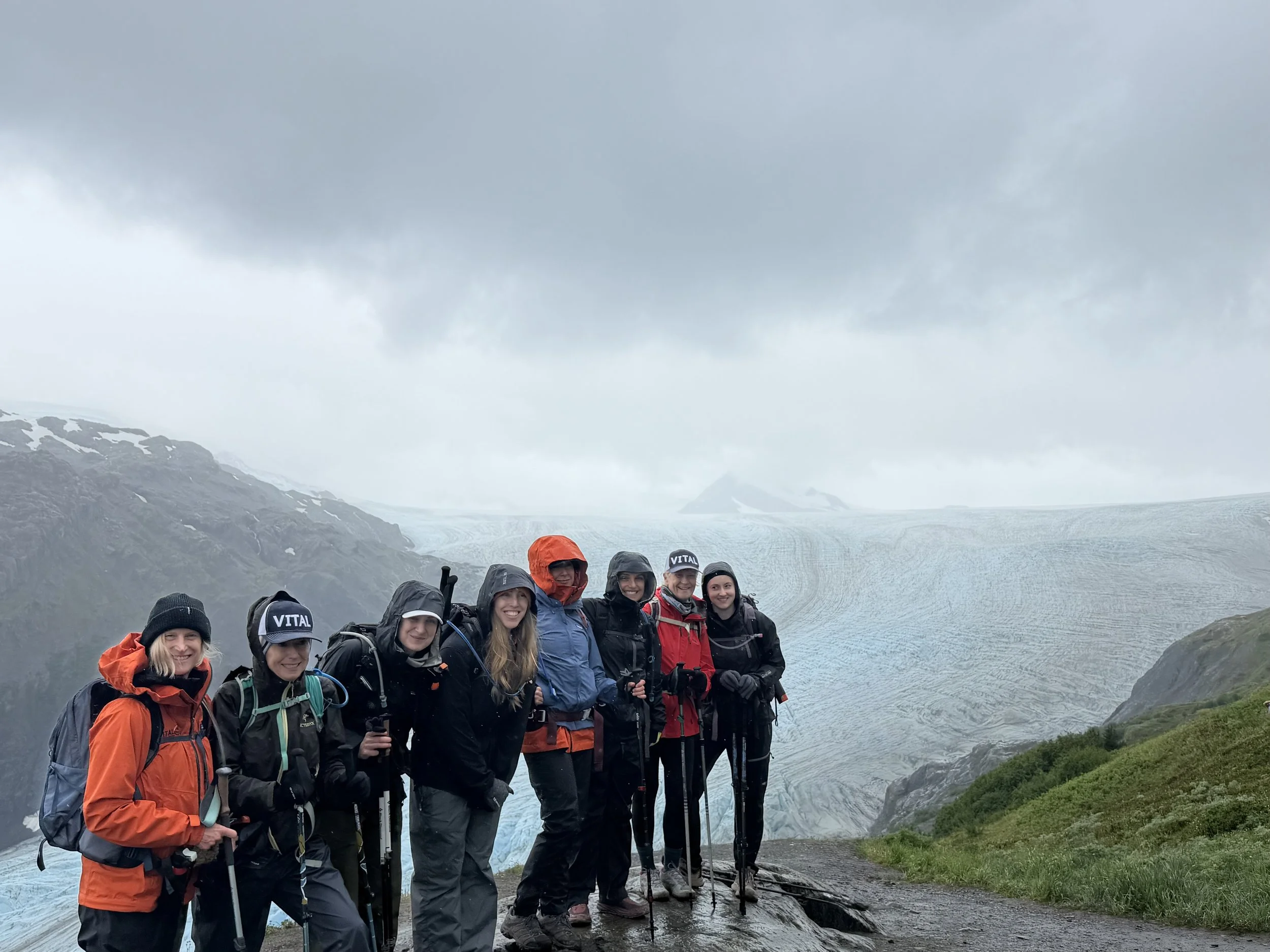
Our Kenai crew at the top of the Harding Icefield Trail, Kenai Fjords National Park, Alaska
What's Your Next Stretch?
As we look toward 2027, I've been thinking about how valuable it is to have something meaningful to work toward.
Maybe you want to feel stronger than you have in years. Maybe there's a destination you've been dreaming about, a physical challenge you'd like to take on or a personal milestone you want to celebrate.
You don't have to know exactly how you'll get there before you decide it's worth pursuing.
That's what preparation is for.
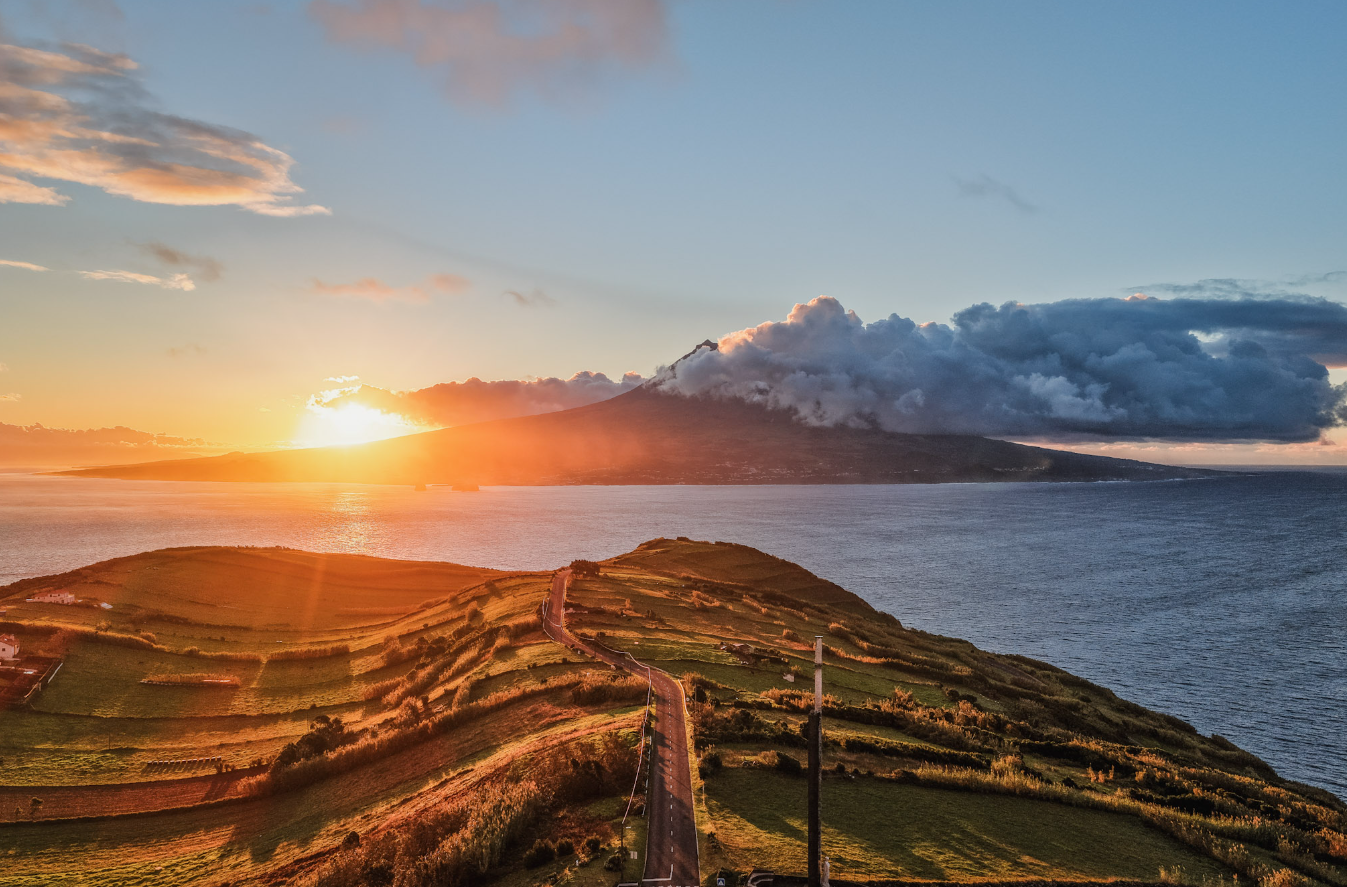
From Faial, the volcanic peak of Mount Pico rises across the water. On Azores ‘27: Between Fire & Tide, we’ll hike the trails around it.
Our next VITAL Adventures are Azores ‘27: Between Fire & Tide, May 2–7, hiking across the volcanic islands of Faial and Pico, and Dolomites ‘27: Alta Via 1, June 19–24. Each comes with months of expert-led training beforehand to help everyone arrive ready for the experience. We keep every team to 10 people or fewer, on purpose.
Explore all VITAL Adventures 2027
And for those who want to start closer to home, VITAL 100 begins January 4, offering another opportunity to build strength, consistency and community.
What I've learned from watching people prepare for and complete these adventures is that the experience rarely ends when they return home.
They come back with memories, new friendships and stories to tell.
But they also come back knowing something about themselves that they didn't fully appreciate before.
And I'm always curious to see what they'll decide to do next.